Electrical Emergency? Here's What to Do Right Now.
Sparking outlets, burning smells, and sudden power loss are safety emergencies — not "wait until morning" problems. If your home is in danger, call (561) 552-3753 now, then follow the safety steps below while help is on the way.
- 24/7 emergency response
- Licensed #ER13016161
- Port St. Lucie & the Treasure Coast
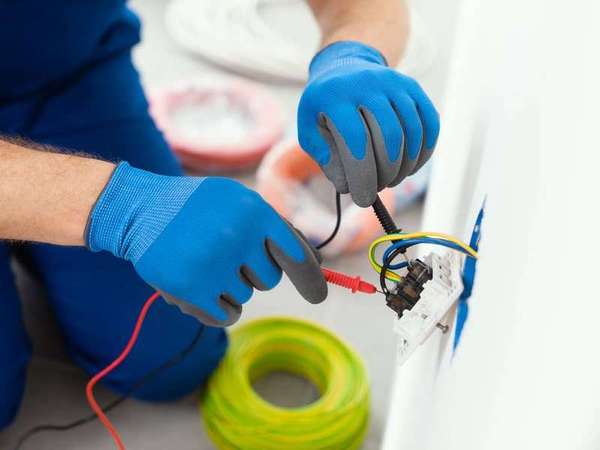
If you see flames or heavy smoke, call 911 first. An electrician fixes wiring — firefighters handle active fires. Once everyone is safe and the fire department is on the way, call us at (561) 552-3753 for the electrical repair.
Signs You Have an Electrical Emergency
These symptoms mean something is actively wrong and getting worse. Don't ignore them, and don't keep using the affected circuit:
- Sparking from an outlet, switch, or the panel — even small sparks that stop
- A burning or fishy smell near outlets, switches, or the breaker panel (overheating wire insulation has a distinct odor)
- Scorch marks or discoloration on outlet or switch cover plates
- A breaker that won't stay reset, or one that trips the moment you flip it back on
- Buzzing, crackling, or sizzling sounds from the panel or inside a wall
- Partial power loss — half the house dark while the rest works normally
- Shocks or tingling when touching an appliance, switch, or outlet
- Water in the panel or outlets after a storm or plumbing leak
What to Do Before We Arrive
These steps keep your household safe in the minutes before an electrician gets there. Do them in order, and don't take risks:
- Stop using the affected circuit. Unplug everything on it if you can do so safely — don't yank cords from a sparking or smoking outlet; leave it alone instead.
- Shut off the breaker if it's safe to reach. If the panel is dry, accessible, and not itself sparking or hot, flip the breaker for the problem circuit to OFF. If the panel is the problem, don't touch it — stand clear.
- Get people and pets away from the area. Keep everyone out of a room with active sparking, smoke, or a strong burning smell. Close the door if you can.
- Don't use water on an electrical problem. Water conducts electricity — never pour it on a sparking outlet or smoking panel. A dry chemical fire extinguisher is the right tool if flames appear.
- Call us. Dial (561) 552-3753, describe what happened, and stay on the line for any safety guidance while the electrician is dispatched.
Never open the panel cover yourself. Breaker panels contain live bus bars that can kill even with the main breaker off. Diagnosis inside a panel is a job for a licensed electrician with the right protective equipment.
What Our Emergency Visit Includes
When we arrive, the priority is making your home safe — then fixing the root cause:
- Immediate hazard isolation. We de-energize the dangerous circuit or equipment first, so the risk stops the moment we're on site.
- Full diagnosis with test equipment. Meters and thermal checks pinpoint the failed connection, breaker, or wire — we fix causes, not symptoms.
- Repair or safe temporary fix. Most emergencies are resolved on the spot from our stocked trucks. If a part or permit is needed, we make everything safe and schedule the completion.
- Plain-language explanation. You'll know what failed, why it failed, and what — if anything — to watch for going forward.
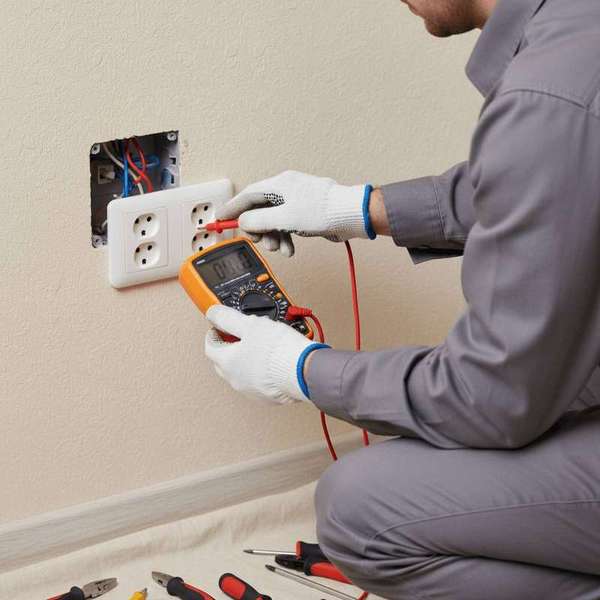
Fault-finding with proper test equipment on every emergency call.
Why Emergencies Happen on the Treasure Coast
Port St. Lucie homes face a few repeat offenders behind after-hours electrical emergencies:
- Storm surges. Lightning strikes and utility surges cook breakers and melt connections — damage that sometimes doesn't show up until hours later, when a weakened component finally fails.
- Corroded connections. Salt air and humidity slowly corrode terminals and splices, raising resistance until the connection overheats. This is a leading cause of that "burning smell with no visible cause."
- Overloaded older panels. Evening A/C loads plus modern appliances push aging panels past their limits — breakers trip, bus bars overheat, and the panel itself becomes the hazard.
- DIY and unpermitted wiring. We regularly find undersized wire, buried junction boxes, and double-tapped breakers from past unpermitted work — time bombs that fail without warning.
- Water intrusion. Roof leaks and storm-driven rain find their way into panels, outdoor outlets, and pool equipment circuits.
Frequently Asked Questions
My outlet sparked once and stopped. Is that an emergency?
Yes — treat it as one. A single spark means a loose or damaged connection exists, and the next one could start a fire. Stop using that outlet, leave the breaker off if you can do so safely, and call us.
There's a burning smell but I can't find the source. What should I do?
Check your breaker panel — carefully, without touching anything — for heat, buzzing, or smell. If the panel itself seems to be the source, don't touch it and call us immediately. If you can't locate it, call us anyway; we'll track it down with thermal and electrical testing.
Half my house lost power. Is that an emergency?
It can be. First check whether your neighbors have power — if the whole area is out, it's a utility issue for FPL. If it's just your home, or just half of it, you may have a failed main breaker, a lost leg of service, or a damaged feeder — all of which need an electrician promptly.
Can I just keep resetting a tripping breaker until morning?
No. A breaker trips because something is wrong — forcing it back on repeatedly can overheat wiring and start a fire. If a breaker won't stay on, leave it off and call us.
Water got into my electrical panel during the storm. What now?
Don't touch the panel — water and electricity are a lethal combination. Keep everyone away from it and call us. We'll assess whether components can be dried and saved or must be replaced.
Do you charge more for emergency calls?
Emergency response is billed differently than scheduled weekday work. We'll explain the structure before any work begins, and nothing is done without your approval.
How quickly can you get here?
Emergency calls are dispatched as priority. When you call (561) 552-3753, we'll give you a realistic arrival window for your location in Port St. Lucie, Fort Pierce, Stuart, Jensen Beach, or Palm City.
Areas We Serve
Emergency response across the Treasure Coast:
- Port St. Lucie
- Fort Pierce
- Stuart
- Jensen Beach
- Palm City
Who Responds to Your Call
- Company
- Florida Electrical and Fire Alarm LLC
- License
- Florida Electrical License #ER13016161
- Emergency line
- (561) 552-3753 — answered 24/7
- services.floridaelectrical@gmail.com
- Hours
- Monday–Saturday, 8 a.m.–5 p.m.; 24/7 emergency service
- Service area
- Port St. Lucie, Fort Pierce, Stuart, Jensen Beach & Palm City — we come to you
Request an Estimate
Active emergency? Don't use this form — call (561) 552-3753 now. For follow-up work after an emergency visit, or non-urgent repairs, send the details here: